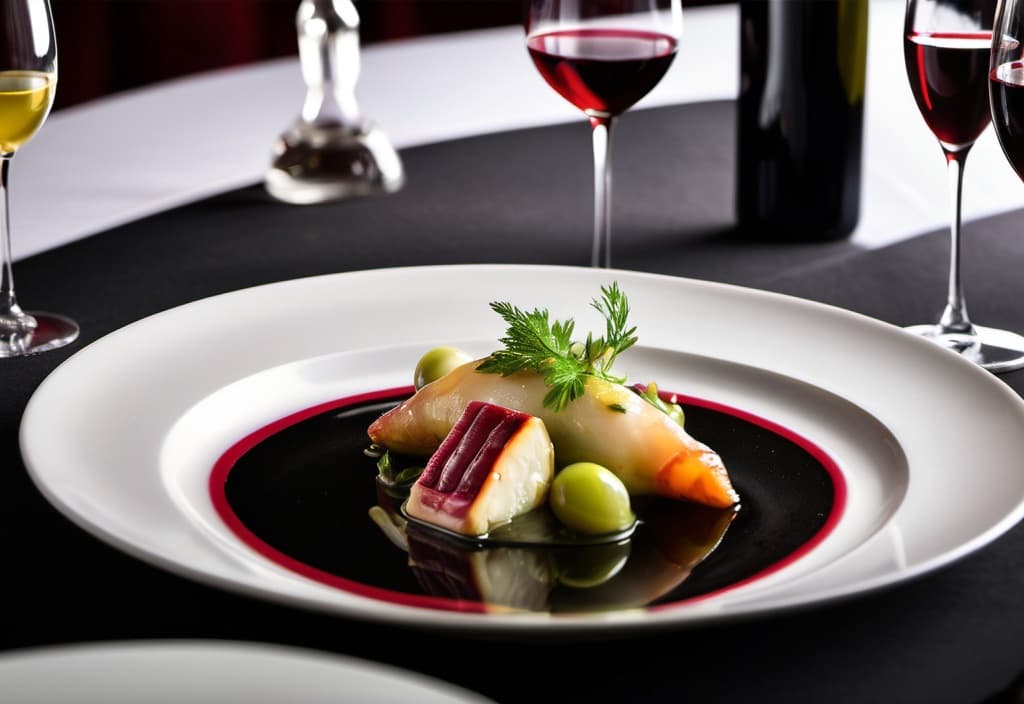
In most restaurants the wine list is the most profitable document in the building and the one nobody looks after. Margin on wine is often double the margin on food, and yet the list is usually written once — at opening — and after that only grows, one sales rep at a time.
This article is about building a wine list that actually earns: how many wines, in what order, at what price, and what makes a guest order a bottle instead of a glass.
Fewer wines sell more
The most common mistake is a sixty-wine list in a restaurant that serves twenty dishes. A guest handed that list does one of two things: orders something they recognise, or asks the waiter and takes the first suggestion. Either way the other fifty entries did nothing except tie up cash in the cellar.
A starting point that works for most venues:
- bistro / restaurant up to 60 covers: 15–25 wines, 6–10 of them by the glass,
- restaurant with culinary ambition: 30–45 wines,
- wine-led venue: as many as you can actually talk about — but then the list needs descriptions, not just names.
Rule of thumb: if you can't say in one sentence why a wine is on the list, it shouldn't be.
Structure: style before country
The classic split by country ("France, Italy, Spain") assumes the guest knows what they want and chooses by origin. Most guests don't choose that way. They choose by mood: something light, something dry, something for fish.
A structure that works better:
- Sparkling
- White, light and fresh
- White, fuller, oaked
- Rosé
- Red, light
- Red, full-bodied
- Sweet and dessert
Within each category, cheapest to most expensive. Country and vintage stay — they just stop being the heading.
Pricing: don't multiply everything by three
The most popular method — a fixed multiplier on cost — has one flaw: on expensive bottles it produces numbers nobody orders. A €10 bottle sold at €30 is fine. The same ×3 on a €50 bottle gives €150, and that entry sits in the cellar for years.
A model that works better is a declining multiplier as cost rises:
| Cost price (net) | Multiplier | Example |
|---|---|---|
| up to €8 | ×3.0–3.5 | €6 → €19 |
| €8–15 | ×2.5–3.0 | €12 → €33 |
| €15–30 | ×2.2–2.5 | €22 → €52 |
| above €30 | ×1.8–2.2 | €50 → €99 |
The cash profit on an expensive bottle is still higher than on a cheap one despite the lower multiplier — and the bottle actually leaves the cellar.
The second-from-bottom effect
In every category the best seller is the second-cheapest wine. The reason is psychological: the guest doesn't want to look cheap, so they skip the first entry, but they don't want to overpay either. That slot is the most valuable place on your list — put your best-margin wine there, not a random one.
Wine by the glass drives the turnover
Two people at lunch will not order a bottle. They will order a glass, or nothing. A well-run by-the-glass programme can account for half of all wine sales in a venue.
Three things to get right:
- 6–10 wines by the glass, two in each core style,
- two pour sizes — 100 ml and 150 ml. The smaller lowers the barrier, the larger raises the bill,
- a preservation system for open bottles. Without one you either pour wine away or serve three-day-old wine, which is worse.
Descriptions instead of a list
"Chardonnay, Burgundy, 2021" tells a guest who doesn't know Burgundy nothing at all. One sentence changes everything:
Chardonnay, Burgundy 2021 — full-bodied, with butter and nuts from the oak. Works with cream sauces and roast poultry.
The formula is simple: how it tastes + what it goes with. Two facts, one sentence. A list written like that sells without the waiter, and gives the waiter a ready-made line when they do recommend it.
On paper, descriptions are expensive — they take space, the list grows, and printing costs more. That is one reason descriptions turn up far more often on digital wine lists: there is no space limit.
The wine list has to talk to the food menu
Wine doesn't sell in isolation. If your menu has six fish dishes, you need whites that go with them — and equally, if the kitchen is meat-heavy and bold, light whites will sit still.
A practical test: take your 10 best-selling dishes and write 2 wines from the list next to each. If a dish has no pair, you're missing a wine. If a wine matches nothing, you know what to cut at the next seasonal menu update.
Rotation, vintages and what's out of stock
The biggest practical problem with a printed wine list isn't the structure — it's availability. A vintage runs out, the supplier changes the price, the last 2 bottles go at 9 pm on a Friday — and the list still offers them. The waiter says "we're out of that one", and that is the worst possible moment in a wine conversation: the guest has already decided and now has to undo it.
On a digital list the wine disappears the moment the cellar runs dry and comes back when the delivery arrives. A vintage change is one field, not a reprint.
A team that isn't afraid of the list
Even a great list won't sell itself if the waiter avoids the subject. You don't need to train sommeliers — you need everyone on the floor to be able to:
- describe every by-the-glass wine in one sentence,
- suggest a wine for the three most popular dishes,
- know what to recommend when someone says "something good but not too expensive".
15 minutes on shift once a week is enough. A tasting at every list change is mandatory.
How to set this up
If your wine list is a separate document nobody updates, the simplest first step is to move it to where the food menu already lives. In WMenu wine is just another category: description, price by glass and by bottle, availability toggle, photo of the label. The guest sees it alongside the food. You switch an entry off in 5 seconds when it runs out.
See how the menu works or browse menus from real venues.
Frequently asked questions
How many wines should a small restaurant list?
15–25, with 6–10 available by the glass. Better a short list you know and can recommend than a long one that loses both the guest and the waiter.
What wine margin is normal in hospitality?
Usually a multiplier of 2–3.5 on net cost, declining as the bottle price rises. A flat ×3 across the whole list stops expensive wines from selling.
Does the wine list have to be a separate document?
No. A separate list makes sense where wine is the point of the venue. In most restaurants wine as a category inside the main menu sells better, because the guest sees it while choosing food.
What do I do with a wine that doesn't sell?
First put it on the by-the-glass list and give it a description — often the problem is simply that nobody knows how it tastes. If it is still sitting there after a month, use it in a promotion or in the kitchen and don't reorder.